
Are you sick of wasting your summer on yard maintenance or your money on water bills? Xeriscaping is a great way to solve these problems at once. Here are some information and tips about what xeriscaping is and how to xeriscape your yard.
What is Xeriscaping?
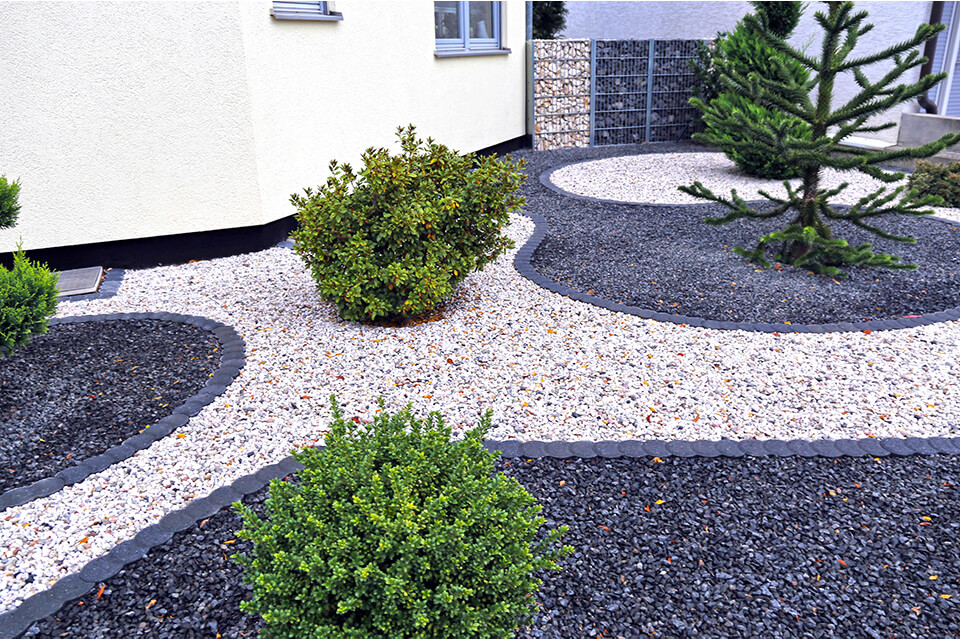
Xeriscaping or smart-scaping is a type of water-conserving landscaping that aims to reduce or even eliminate the reliance on supplemental water from irrigation. It is not to be confused with zeroscaping, which is another type of gardening that is typically without plants. On the contrary, xeriscaping utilizes plants appropriate to local climates and avoids losing water to evaporation and surface run-off.
Pros & Cons
Xeriscaping is relatively low because it doesn’t require much mowing, watering, weeding, and fertilizing. As a result, it is more cost-effective, which means you’ll have more time and money to spend on the things you love. Xeriscaping also allows for more colours and room for creativity compared with standard grass lawns. A bonus is that it creates less yard waste and fertilizer run-off and is more environmentally friendly.
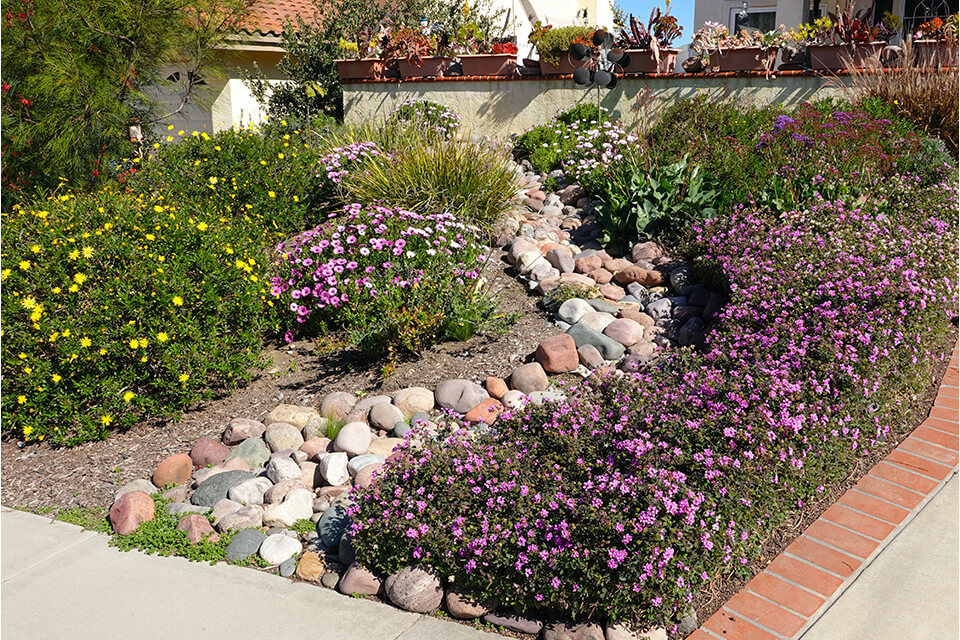
That being said, xeriscaping does reduce lawn area, which is more commonly accepted and culturally associated with prosperity and community. Another thing is that some municipalities or communities may have bylaws or rules regarding landscaping; you might want to double-check before beginning your xeriscaping project.
How to Xeriscape Your Yard?
The best way to achieve your creative design is to look for inspiration on websites such as Pinterest or Instagram. Chances are you’ll have to adjust your plant selection to suit our Saskatchewan climate, but it’s still a good place to start. After gathering your ideas, you can choose to xeriscape yourself or hire a landscaper depending on your landscaping skill. If you decide to DIY, here are some of the basic steps of xeriscaping:
- Design: Start with a drawing of your yard either on paper or computer. Divide up your yard based on sunlight condition, soil type, and how much water it gets from runoff so you can group your plants.
- Limited Turf: You can choose to reduce or even eliminate your lawn area completely and perhaps plant trees instead to provide shade.
- Soil: Add organic matter such as compost to enrich your soil and improve water retention. Grade your yard to control where and how water flows.
- Plant Selection: Choose plants that are native to Saskatchewan and with low water needs. Group them according to sunlight condition, soil, and water needs, then assign them zones you created in your plan. A few great flowers that don’t need a ton of water are bougainvillea, daylily, blue spire, verbena, and poppies.
- Irrigation: To minimize evaporation and wind drift, choose low-angle nozzles that spray big droplets, or convert sprinklers to drips. You can also reduce water waste by not watering during the day and installing a rain sensor.
- Mulching: Add between 4 to 6 inches of organic mulch, such as wood chips, to reduce evaporation and limit weed growth. As mulch breaks down, it will add nutrients to the soil.
- Maintenance: Even a xeriscaped yard needs to be maintained from to time. Occasionally check your yard too if more mulch needs to be added to replace what got blown or washed away. Prune your plants to remove dead stems and control their growth. Any removed materials can then be composted. If you still have a lawn, either compost or don’t bag the clipping.
Summary
Don’t waste your summer doing tedious yard work. Xeriscaping can save time and money in the long run. It is also an opportunity to make your home stand out. Here at Serbu Sand & Gravel, we provide a wide variety of landscaping materials such as rocks, stones, and topsoil to help you landscape your yard. Both Classic Landscaping in White City and Owens Landscaping in Regina carry our materials. If you need to do any prep work, removal, or demolition of previous yard scape, we also offer bobcat services. We work on both residential and commercial projects.