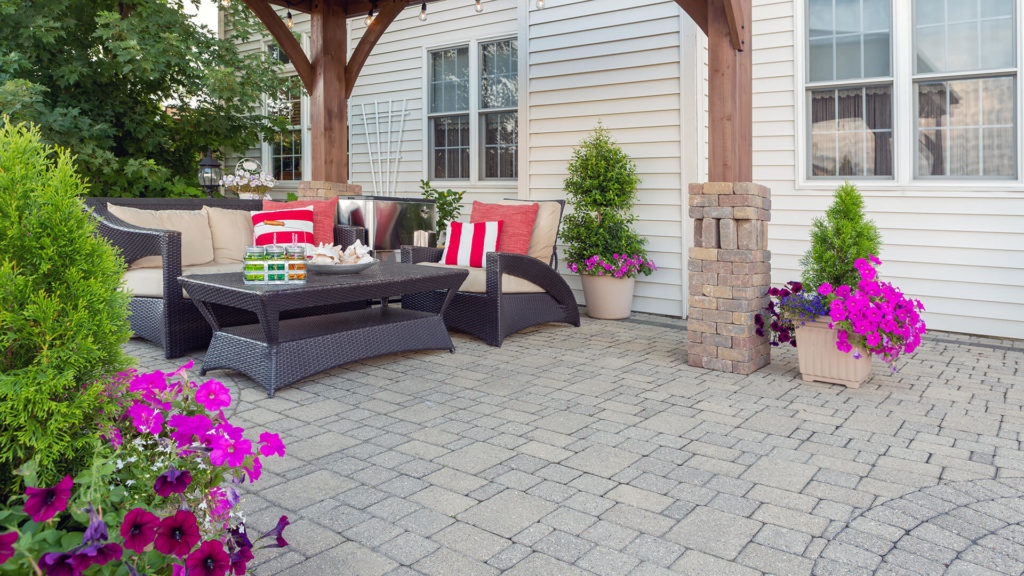
Filling a low spot, preparing for new sod, grading around your house, or building a garden bed? Although topsoil and fill dirt may look similar, choosing the wrong one can lead to settling, poor drainage, unhealthy grass, or wasted money.
The right material depends on your project. In this guide, we’ll explain the differences between topsoil and fill dirt, where each works best, and when using both will give you the best long-term results.
What Is Fill Dirt Used For?
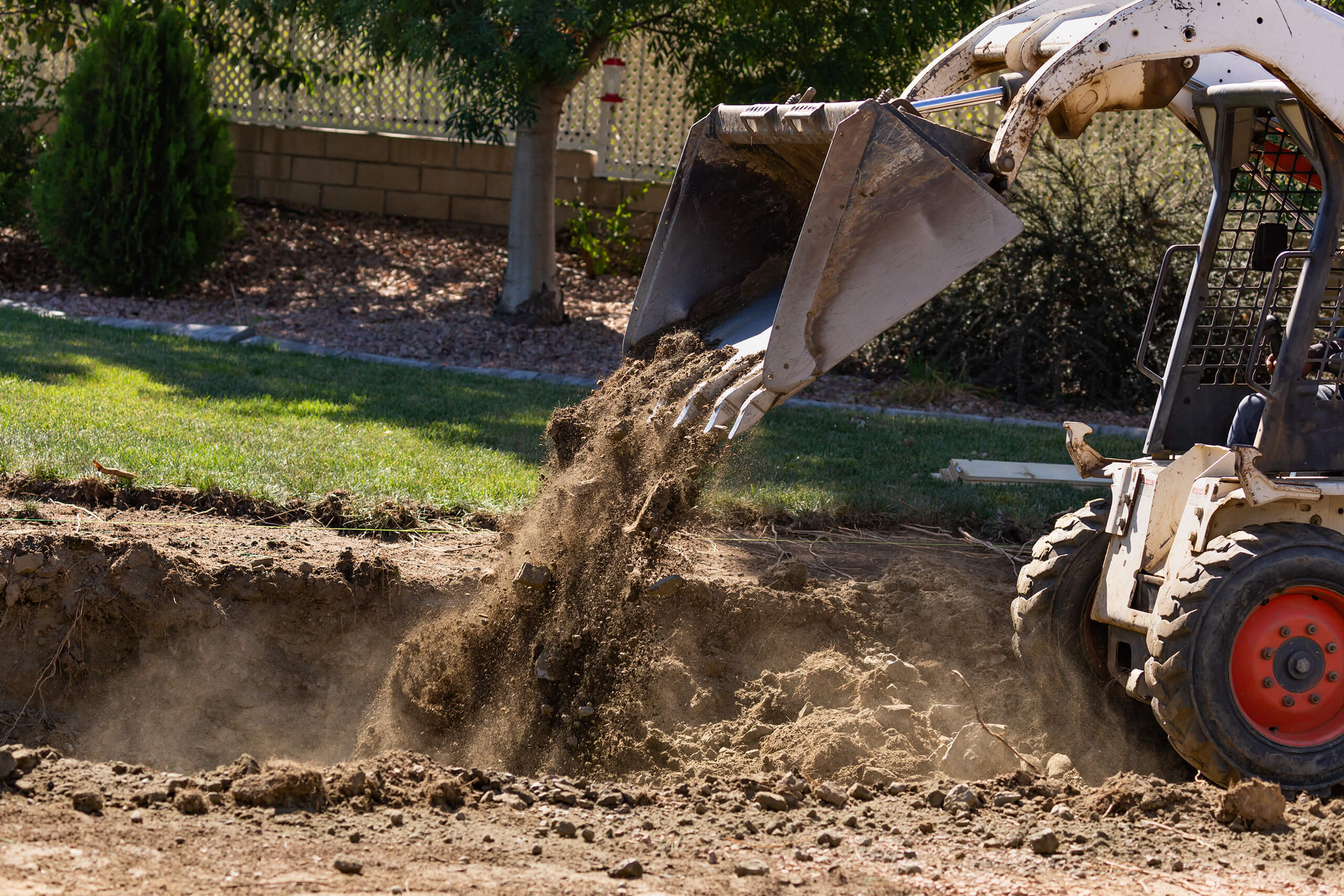
Fill dirt is used when you need to raise, fill, or reshape an area. It is usually placed below the growing layer where plants do not need to root directly into it.
Common uses include filling larger low spots, building up areas before landscaping, improving rough grades, backfilling, and adding volume before topsoil is added. Fill dirt is useful because it is more practical for depth and quantity than using premium topsoil for the entire project.
What Is Topsoil Used For?
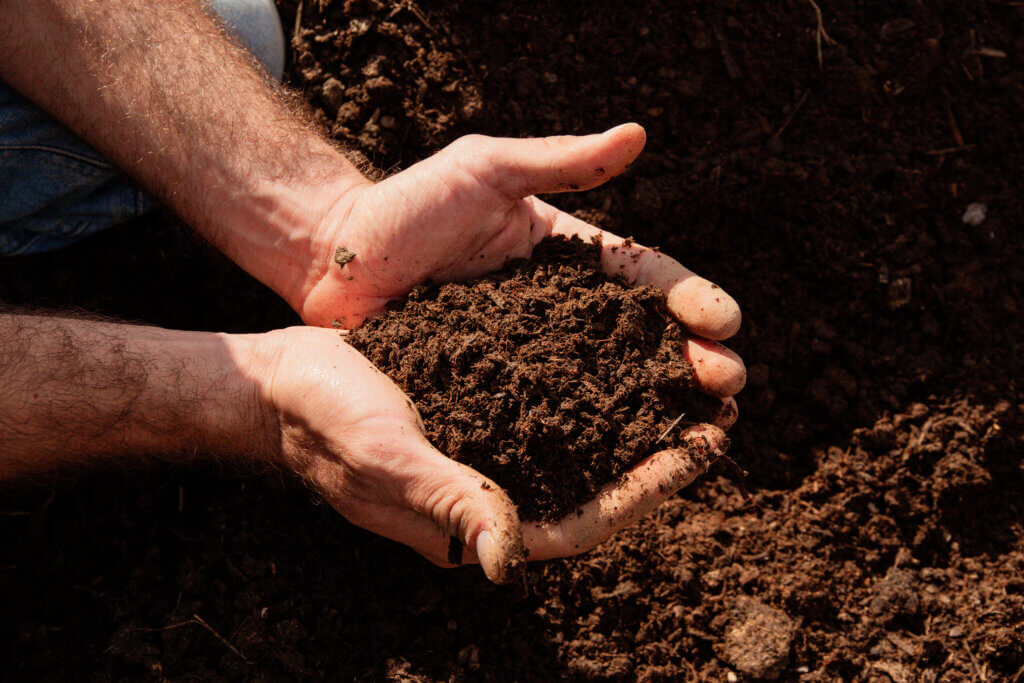
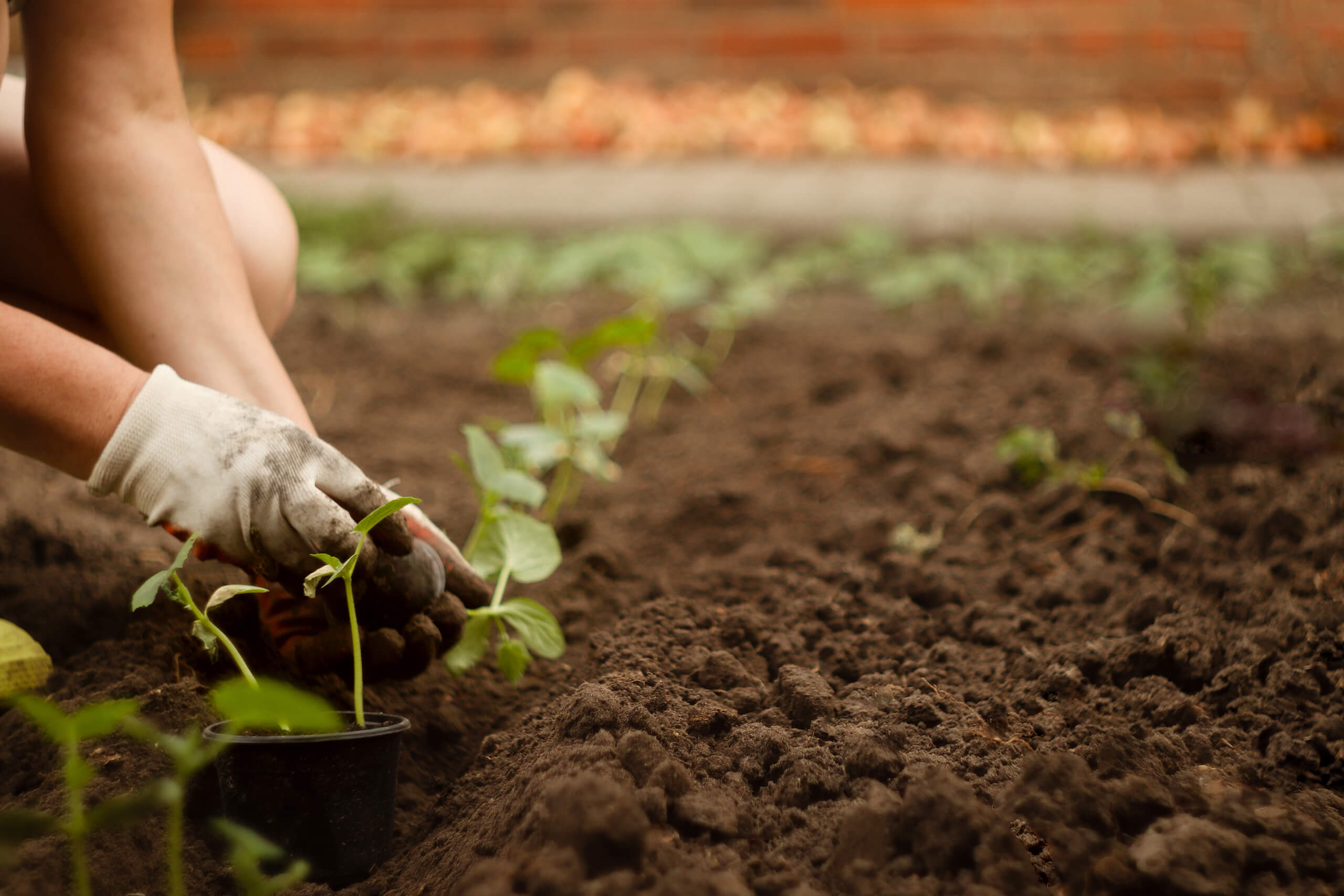
Topsoil is the upper growing layer of soil. It is used where grass, sod, seed, shrubs, flowers, or garden plants need better growing conditions.
Screened topsoil is easier to rake, spread, and finish than rough fill, making it a good choice for lawn prep, shallow lawn repairs, topdressing, and general landscaping. For garden beds or planting areas, a topsoil manure mix can add more organic matter and improve growing conditions.
Can You Grow Grass on Fill Dirt?
You can sometimes get grass to grow on fill dirt, but it is not ideal and you might very well up wasting seeds. Fill dirt may be compacted, low in nutrients, uneven in texture, or difficult for roots to establish in.
For lawn areas, use fill dirt to build up the low area, then finish with a layer of screened topsoil before seeding or laying sod. This gives the lawn a better surface for root growth while keeping the bulk fill cost practical.
Best Soil for Filling Low Spots
The best soil for filling low spots depends on depth.
For shallow lawn dips, screened topsoil is usually the better option because it can be raked into the surface and supports grass growth.
For deeper low areas, fill dirt is usually better for the lower portion because it adds volume. Once the area is close to final grade, add topsoil over the surface so grass or plants have a proper growing layer.
When You Need Both Fill Dirt and Topsoil
Many yard repairs need both materials. Use fill dirt where you need depth, structure, or volume. Use topsoil for the final growing layer.
A simple example is a low area that is more than several inches deep. Filling the whole area with topsoil may be unnecessary and more likely to settle over time. A better approach is to use fill dirt for most of the depth, compact or settle it appropriately, then finish with screened topsoil.
Around Foundations and Drainage Areas
Be careful when adding soil near a house, garage, or other structure. The goal is usually to direct water away from the foundation, not trap it or redirect it toward a neighbour.
Fill dirt may be used to build up grade, but the finished surface still needs proper slope and drainage. If water is pooling, flowing toward the house, or returning after every rain, the issue may need grading rather than a simple soil delivery.
Lawn Repair and Yard Levelling
For lawn repairs, topsoil vs fill dirt comes down to whether you are fixing the growing surface or changing the shape underneath it. Use topsoil for small lawn low spots, rough patches, seed preparation, and topdressing. Use fill dirt when the lawn area is too low and needs to be built up before the final growing layer is added.
For more detail on smoothing shallow lawn dips, see our article on levelling a lawn with topsoil.
Garden Beds and Planting Areas
Do not use plain fill dirt as the main soil in garden beds. It most likely does not have the structure, nutrients, or organic matter needed for healthy plant growth. For planting areas, use screened topsoil or a richer topsoil mix. Fill dirt can still be useful underneath raised areas or landscape features, but the root zone should be finished with better growing material.
Cost and Quantity Considerations
Fill dirt is typically used when the project needs more volume. Topsoil is used where the finished surface needs to support growth.
Before ordering, measure the length, width, and depth of the area. Our landscape calculator can help estimate how much material you need, especially when comparing a deeper fill layer with a thinner topsoil layer.
Summary
The difference between topsoil and fill dirt is simple: fill dirt is for filling and shaping, while topsoil is for growing. Use fill dirt for volume, topsoil for the surface, and both when a yard repair needs depth plus a healthy finish. We supply fill dirt, screened topsoil, and topsoil manure mix, with delivery available in Regina and surrounding areas. Contact us for help with your next landscaping project.