Got an old shed you no longer want? If it is still in good shape, consider moving it or passing it on to someone who can use it. Taking it apart may also be worthwhile if there are materials you want to save. Otherwise, demolition may be the practical choice. Before arranging shed removal, think about what you want in its place and whether the existing base will still be useful.
Move It if It’s Still Useful
You might need a bigger shed, or simply want your storage somewhere else. That doesn’t necessarily mean the old structure belongs in the landfill. Selling or giving away a sound shed is worth considering, provided there’s someone who wants it and a workable plan for getting it to them.
To move a shed intact, contact a company specializing in shed transport to assess its condition and yard access. Compare the full cost of transport, repairs and preparing the new site. If someone else is taking the shed, agree who arranges and pays for removal.
Take It Apart to Save What You Need
Dismantling is worth exploring when you want to rebuild the shed elsewhere or keep selected parts. Even when the whole structure isn’t worth saving, some components may still be useful. For a kit, check with the manufacturer before assuming it can be taken apart and reassembled.
Be selective about what you keep. A door or a set of hinges may be worth saving if you have a project in mind. Weigh their value against the work involved in removing them intact, and make arrangements for everything you won’t reuse. Otherwise, you could finish taking down the shed and still have a pile of material to deal with.
Have It Demolished When There’s Little Worth Keeping
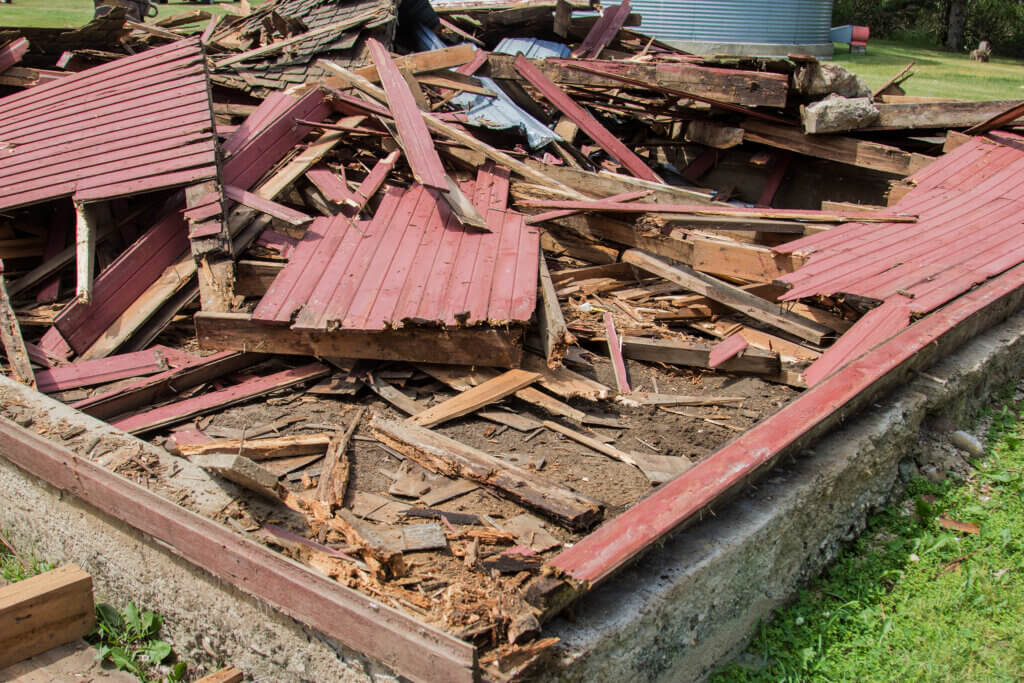
If the shed needs substantial repairs before anyone could use it, paying to move and restore it may not make sense. Demolition is worth considering when you have no use for the structure or its materials.
Tell the demolition contractor whether you want only the shed taken down or the base removed as well. Make sure the quote spells out which work is included, rather than assuming everything beneath the structure will be removed.
Decide Whether the Base Should Stay
An existing concrete slab or gravel pad is worth assessing before you have it taken out. If you’re replacing the shed, check whether the base suits the new building’s dimensions and support requirements. Its condition and drainage matter, too. Don’t assume that because it supported the old shed, it will suit the replacement.
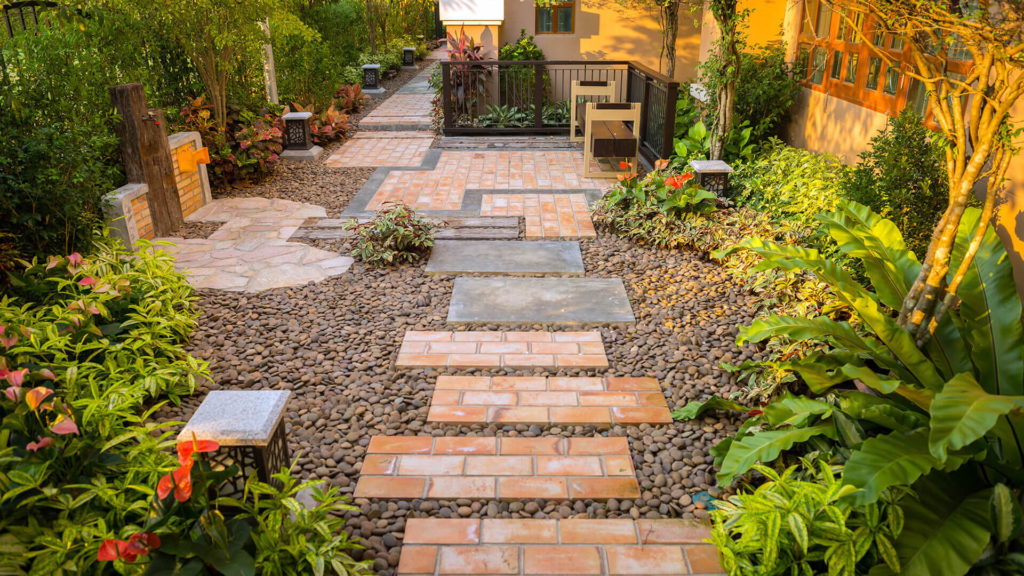
For a patio, assess whether any existing material can be incorporated into the design. For a lawn or garden, consider what needs removing and how the soil will be prepared.
What Should a Shed Removal Quote Include?
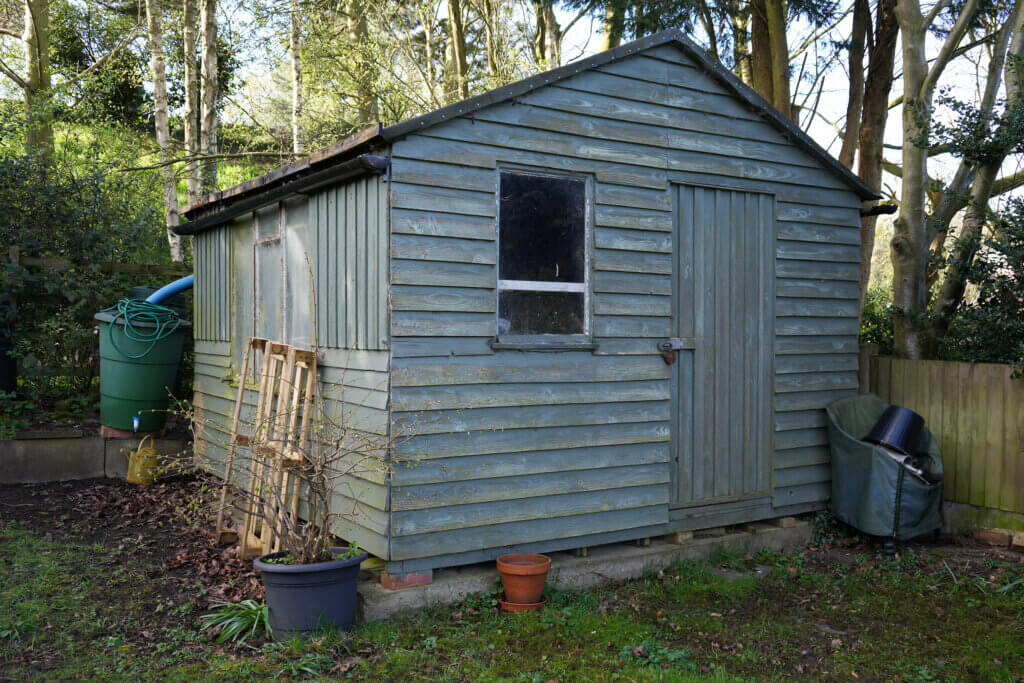
Send the contractor photos of the shed and the access route through your yard. Say how big it is, what it’s made of and whether it’s empty. Point out any narrow gates or tight spaces, and explain what should happen to the base and what you plan to do with the ground afterward.
Ask the contractor to itemize demolition, debris disposal, base removal and any further ground preparation. That makes it easier to compare what each quote actually includes. Our demolition permit and preparation guide covers approvals, utility connections and other preparations; confirm which requirements apply to your property with your municipality before work begins.
How Serbu Can Help
We provide residential demolition services in Regina and surrounding areas, including shed demolition, debris removal and site clearing. We also offer landscaping site preparation for the next stage of your yard project. Ask us to include any ground preparation you need in the quote.
Whether you move the shed, save a few useful parts or have it demolished, decide what should happen to the base and how you’ll use the space afterward. Contact us to discuss your plans and request a quote.