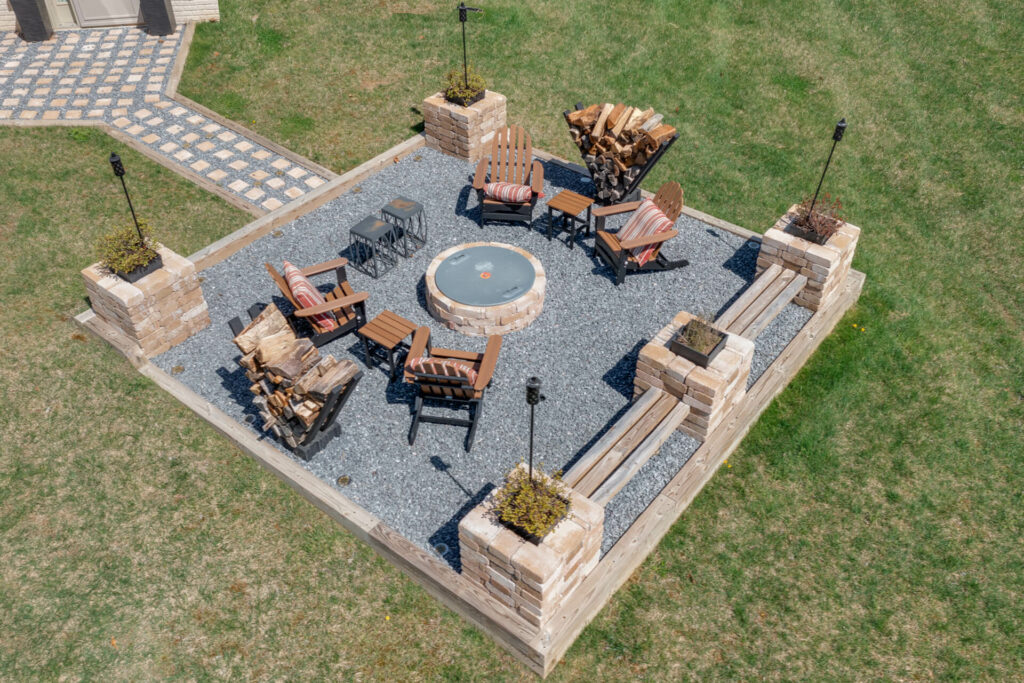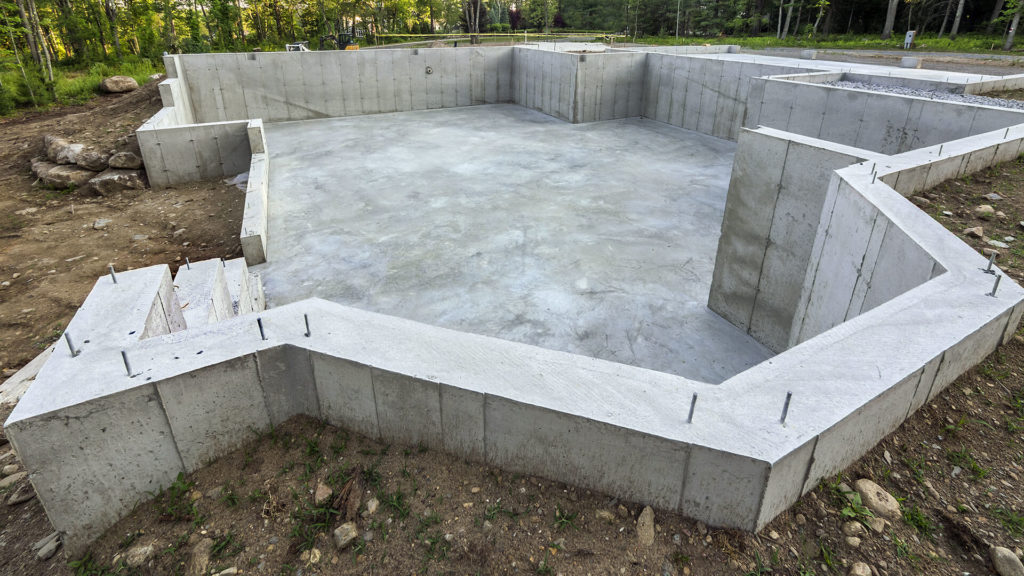
A well-built gravel fire pit area needs more than attractive stone. The site must drain, the base must remain level under chairs, and the fire must sit in an approved non-combustible receptacle. Treat the seating surface and firebox as separate systems: landscape aggregate belongs around the pit, while only heat-rated materials belong inside it.
Plan the Fire Pit Seating Area Before Digging
Start with local regulations and the fire pit manufacturer’s instructions. In Regina, a fire pit must sit on a non-combustible surface and be at least 10 feet from combustible materials, including buildings, decks and vegetation. The city’s current fire pit rules also address firebox size, spark screens, supervision, permitted fuels, wind and fire bans.
Acreages and communities outside Regina may have different requirements, so confirm the rules for your property.
Lay out the entire fire pit seating area before excavation. Keep combustible chairs, cushions and stored firewood outside the clearances required by the municipality and manufacturer. Leave an open walking route and enough space to move chairs without backing toward the fire. Before digging or driving long edging stakes, request a utility locate through Sask 1st Call.
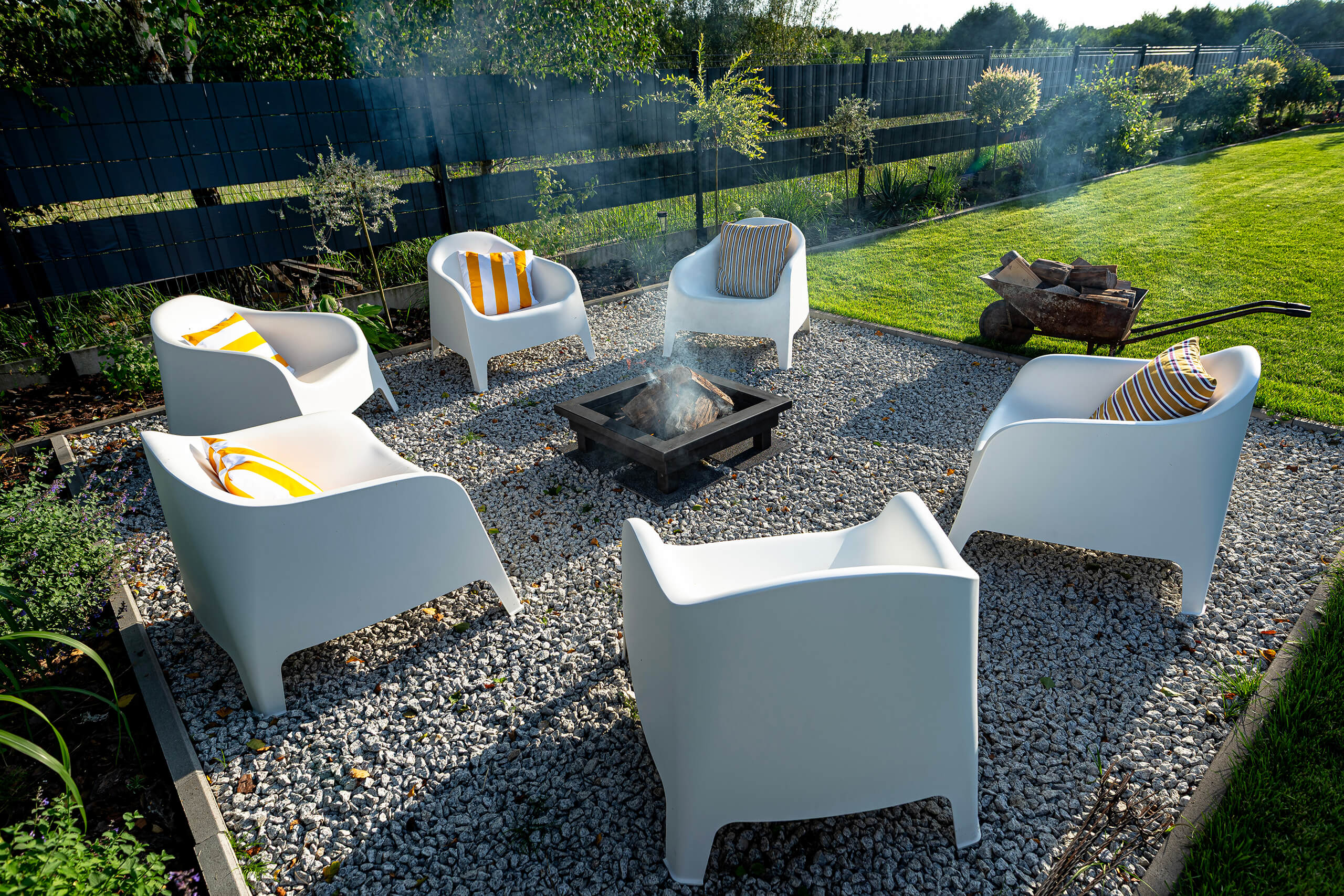
How to Build a Gravel Fire Pit Area Base
- Mark the shape. A circle creates a social layout, while a square or rectangle can align with an existing patio. Mark the fire pit, seating positions and walking route, then recheck all clearances.
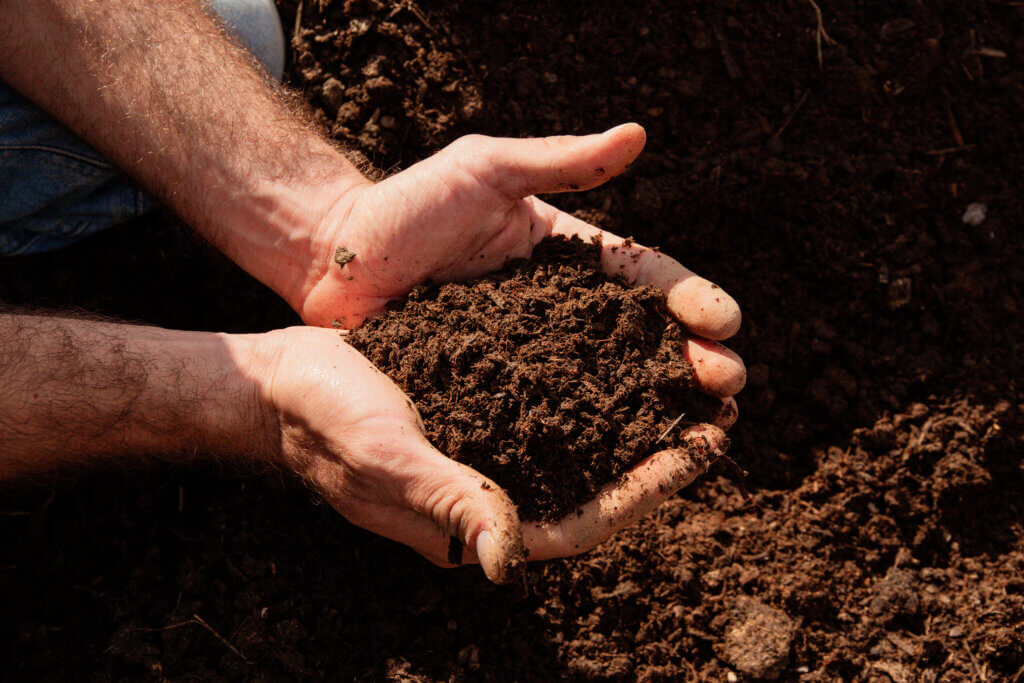
- Excavate the organic layer. For many pedestrian installations, removing approximately 5 to 6 inches provides room for the base and surface gravel. Soft soil or drainage problems may require deeper excavation.
- Set the grade. Shape the subgrade with a gentle fall away from buildings. Correct low spots before adding aggregate so water does not collect around the pit or freeze into an uneven surface.
- Add geotextile where appropriate. If soft or weed-prone soil makes separation useful, install permeable geotextile over the graded soil beneath the outer seating and walking area. Keep the fire pit’s central foundation mineral-only. Do not use impermeable plastic sheeting.
- Build and compact the base. Place approximately 3 to 4 inches of compactable granular base, such as type 8 sub-base or type 32–33 road base, in shallow lifts. Compact each lift before adding the next. Where needed, add a thin layer of crusher dust to fine-grade the surface before installing the decorative gravel.
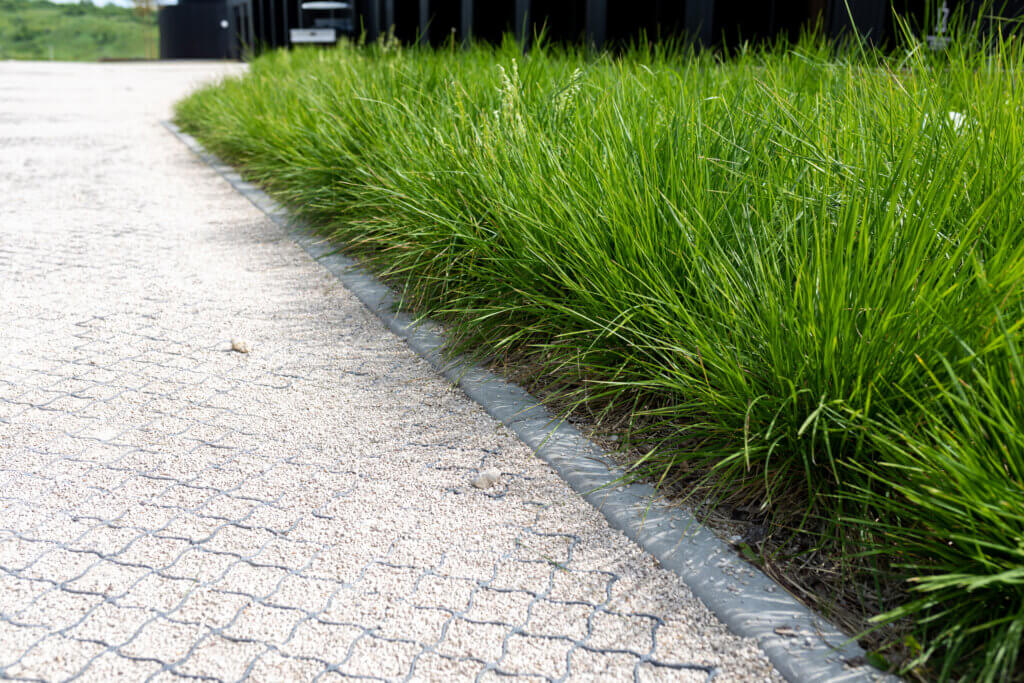
- Install the edging. Metal, concrete curbing or pavers can contain the gravel. Avoid combustible edging within the required clearance. Anchor the border deeply enough that chair legs and raking will not push it outward.
- Add the surface gravel. Spread approximately 2 inches of your chosen gravel, rake it level and settle it lightly. Overfilling makes chair legs sink and allows stone to spill over the edging.
Geotextile can reduce weeds growing from the underlying soil, but it will not stop windblown seeds from growing in debris that collects on the gravel. Regular raking and debris removal will still be necessary.
Which Gravel Works Best for a Gravel Fire Pit Area?
The best gravel fire pit area surface depends on comfort, stability and appearance:
- Pea gravel: Smooth 10 mm stone is comfortable underfoot and creates a relaxed, natural finish. A pea gravel fire pit area needs solid edging and occasional raking because rounded stones move under chair legs.
- Crushed rock: Angular pieces interlock better than round stone, making them a steadier choice for a frequently used gravel fire pit. The texture is firmer but rougher underfoot.
- Round rock: Larger round stone works best as a decorative border or drainage accent. It is less stable as the main walking and seating surface.
- Crusher dust: This material compacts into a firm, relatively smooth surface. It can be used in the base or as the finish where stability matters more than a loose-stone appearance.
For practical gravel fire pit ideas, combine a pea gravel surface with paver pads under chair legs, add a stable stepping-stone route or use contrasting rock outside the main seating zone. Serbu’s guides to building a pea gravel patio and adding pavers to gravel provide more information about edging, surface and paver installation.
Keep Gravel Away From the Flame
Always use a compliant metal receptacle, firebrick or rated masonry system. Gravel should remain outside the firebox because retained moisture can cause heated stone to fracture or explode.
Common Safety and Construction Mistakes
- Placing the pit under branches, utility lines or an overhang.
- Extending landscape fabric directly beneath a fire pit.
- Using wood edging or combustible furniture too close to the flame.
- Skipping compaction and trying to correct low spots with extra surface gravel.
- Lighting a fire during high winds or a fire ban.
- Leaving the fire unattended or having no extinguishing method nearby.
The Government of Saskatchewan recommends keeping a three-metre area around a fire pit free of vegetation and burnable material. A gravel surface helps, but it does not replace supervision, a spark screen or compliance with local regulations.
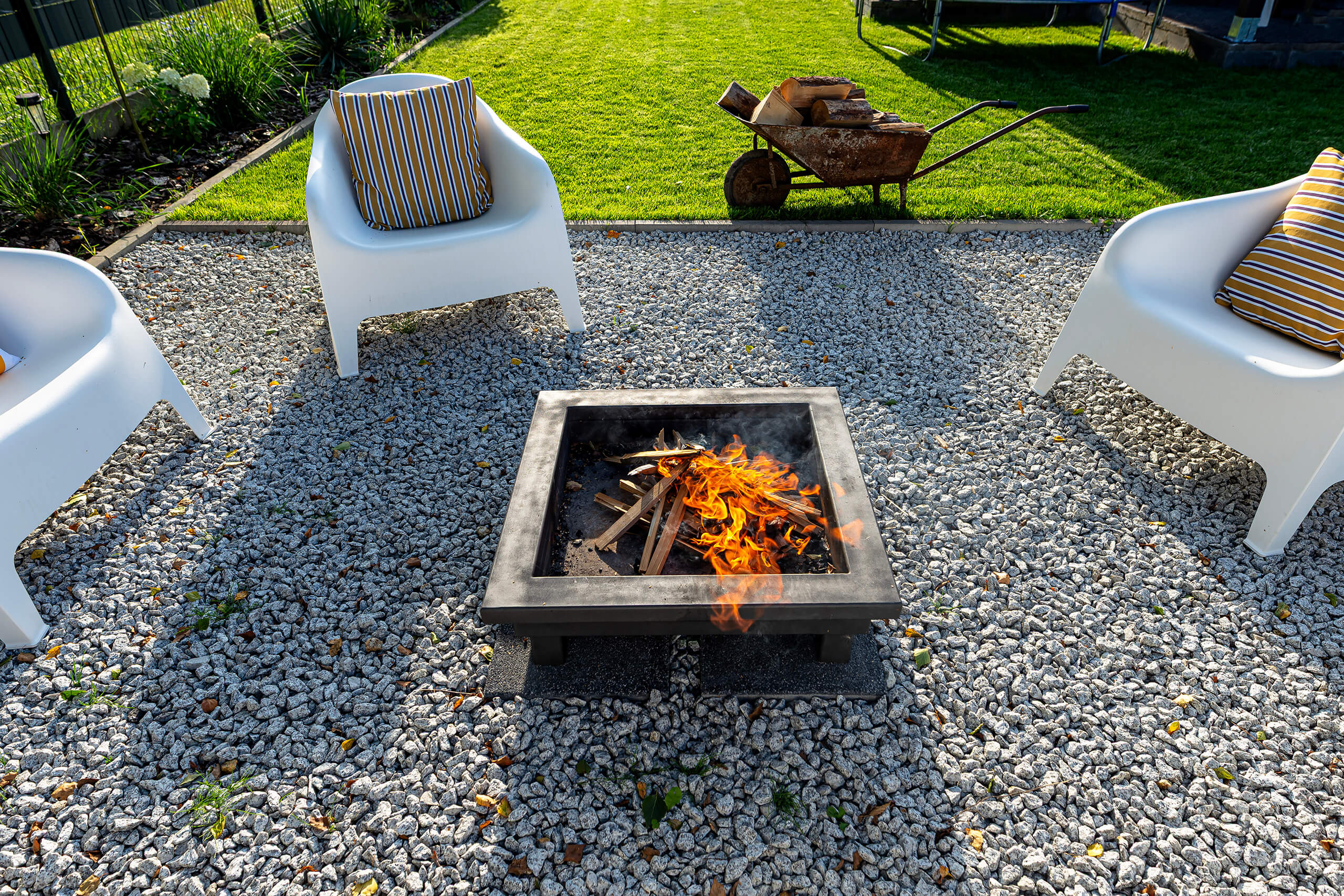
Start With the Right Material and Site Preparation
A durable gravel fire pit area begins below the decorative surface. Serbu Sand & Gravel supplies landscaping materials for projects in Regina and the surrounding area. We can also help with landscaping site preparation when excavation, grading or compaction is more than a weekend job. Contact us to discuss material quantities, delivery and site requirements before building.