If you are tired of topping up bark, wood chips, or other organic mulch every year, rock mulch can be a longer-lasting option for flower beds, shrub borders, and front-yard landscaping. It does not break down like organic mulch, holds up well in windy areas, and gives beds a clean, finished look. It is not completely maintenance-free, but in the right place, rocks instead of mulch can reduce yearly upkeep and keep your landscape looking sharper for longer.
Rock Mulch vs. Organic Mulch
Rock mulch is usually better for long-term coverage. Once installed properly with edging and landscape fabric, it can stay in place for years with only occasional cleanup.
Organic mulch includes materials such as bark, wood chips, shredded wood, straw, leaves, and compost. These materials are better for soil improvement because they break down over time, but that also means they need to be refreshed or replaced more often.
Why Rock Mulch Needs Less Yearly Work
Rock mulch is not maintenance-free, but it is usually less maintenance-intensive than organic mulch. It does not decompose, fade quickly, or need regular topping up the way bark or wood-based mulch often does.
That makes rock a practical choice for front-yard beds, shrub borders, windy areas, utility spaces, and low-maintenance landscaping where you want a cleaner finish with fewer recurring material purchases.
Where Rock Mulch Works Best
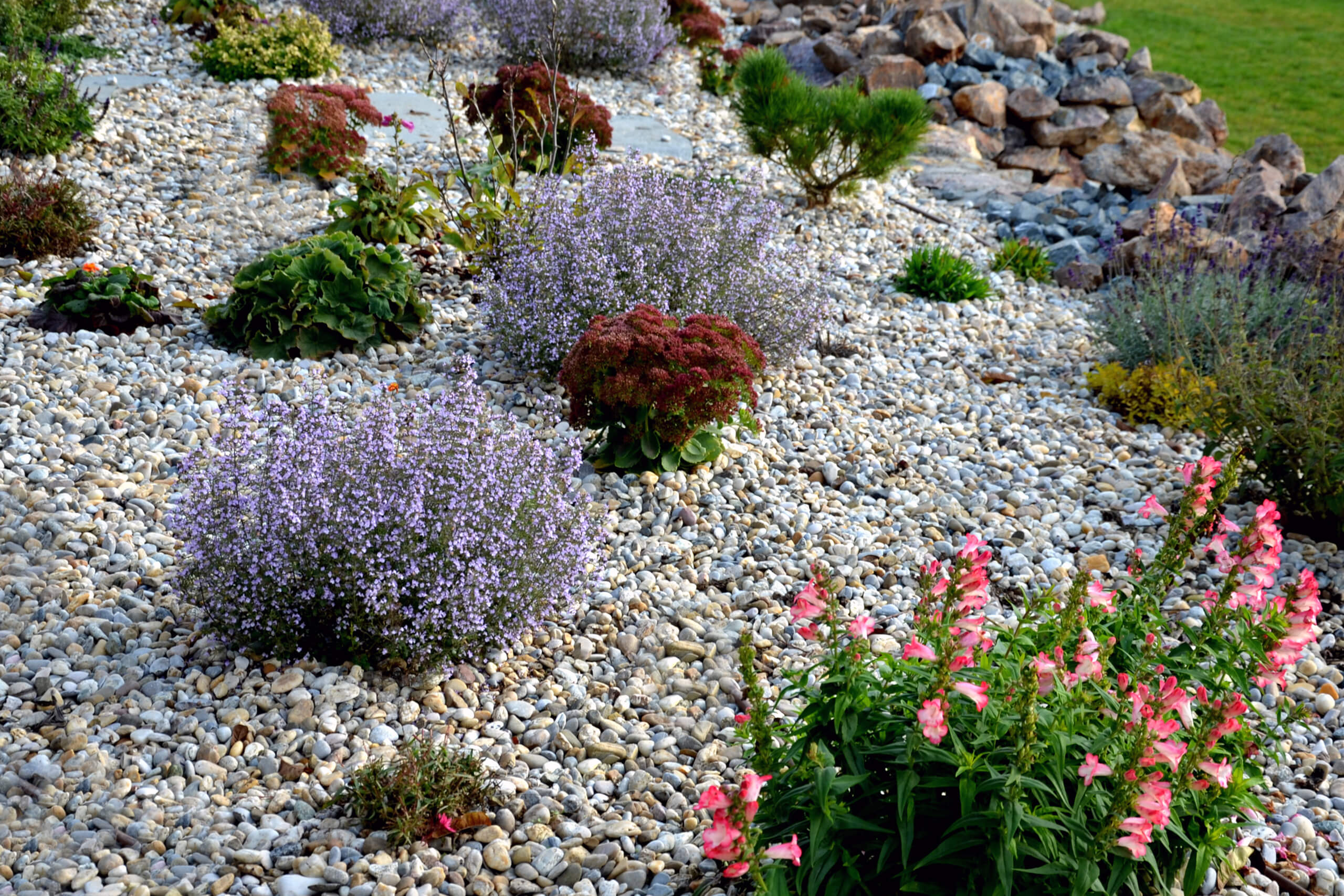
Rock mulch works best in permanent beds where plants are already established and the layout will not change often. It is especially useful around shrubs, along walkways, beside driveways, near foundations, and in xeriscape-style areas.
It also performs well where organic mulch tends to blow around, wash out, or look tired after one season. With good edging and proper depth, rock gives the bed a more finished look for longer.
Rock Mulch Still Needs Some Maintenance
Rock beds still need occasional upkeep. Leaves, grass clippings, dust, and soil can collect between the stones. Once organic debris builds up, weeds can grow on top of the rock even if landscape fabric was installed underneath.
To keep rock mulch looking good, blow out leaves, pull occasional weeds, and keep the edging in place. The work is usually less frequent than organic mulch, but it does not disappear completely.
What About Landscape Fabric?
Rock mulch is usually installed over landscape fabric because the fabric separates the stone from the soil. This helps keep the rock cleaner, reduces sinking, and slows weed growth from below. For a deeper look at when fabric helps and when it causes problems, read our guide to using landscape fabric under gravel.
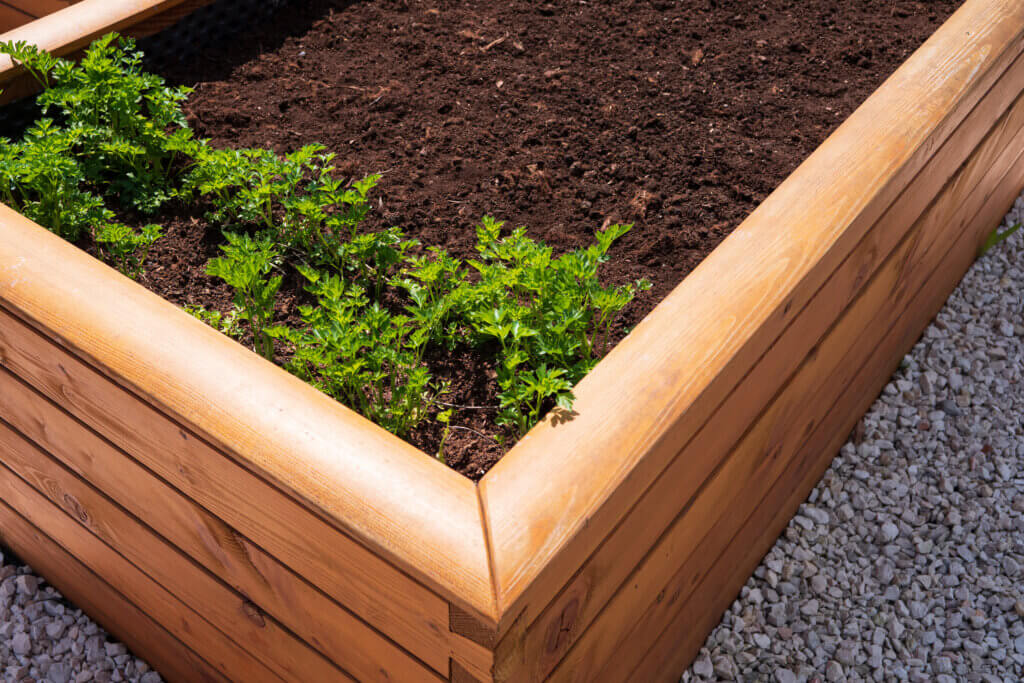
Organic mulch is different. Bark, wood chips, and other organic materials are usually better placed directly on soil because they are meant to break down. If fabric is placed under organic mulch, the mulch still decomposes on top of it, creating a thin layer where weed seeds can eventually grow.
Will Rock Mulch Make Plants Too Hot?
Rock mulch can hold and reflect heat, but that does not make it a problem in every Saskatchewan yard. It is usually most noticeable in full-sun beds, south- or west-facing areas, and spots beside concrete, brick, or siding.
With proper watering, many established shrubs, ornamental grasses, drought-tolerant perennials, and xeriscape-style plants can do well with rock mulch. If you are planning a lower-water yard, see our guide to xeriscaping your yard. The bigger concern is using rock around tender annuals, new plantings, or plants that prefer cooler, consistently moist soil. In those beds, organic mulch may be the safer choice.
Where Organic Mulch Is Still Better
Organic mulch is still the better choice when soil improvement, moisture retention, and flexibility matter more than a permanent finish. It helps protect the soil surface, adds organic matter as it breaks down, and is easier to move during planting.
Use organic mulch for new gardens, annual flowers, vegetable beds, and areas where you expect to replant often. Use rock mulch where curb appeal, durability, wind resistance, and lower yearly maintenance are the bigger priorities.
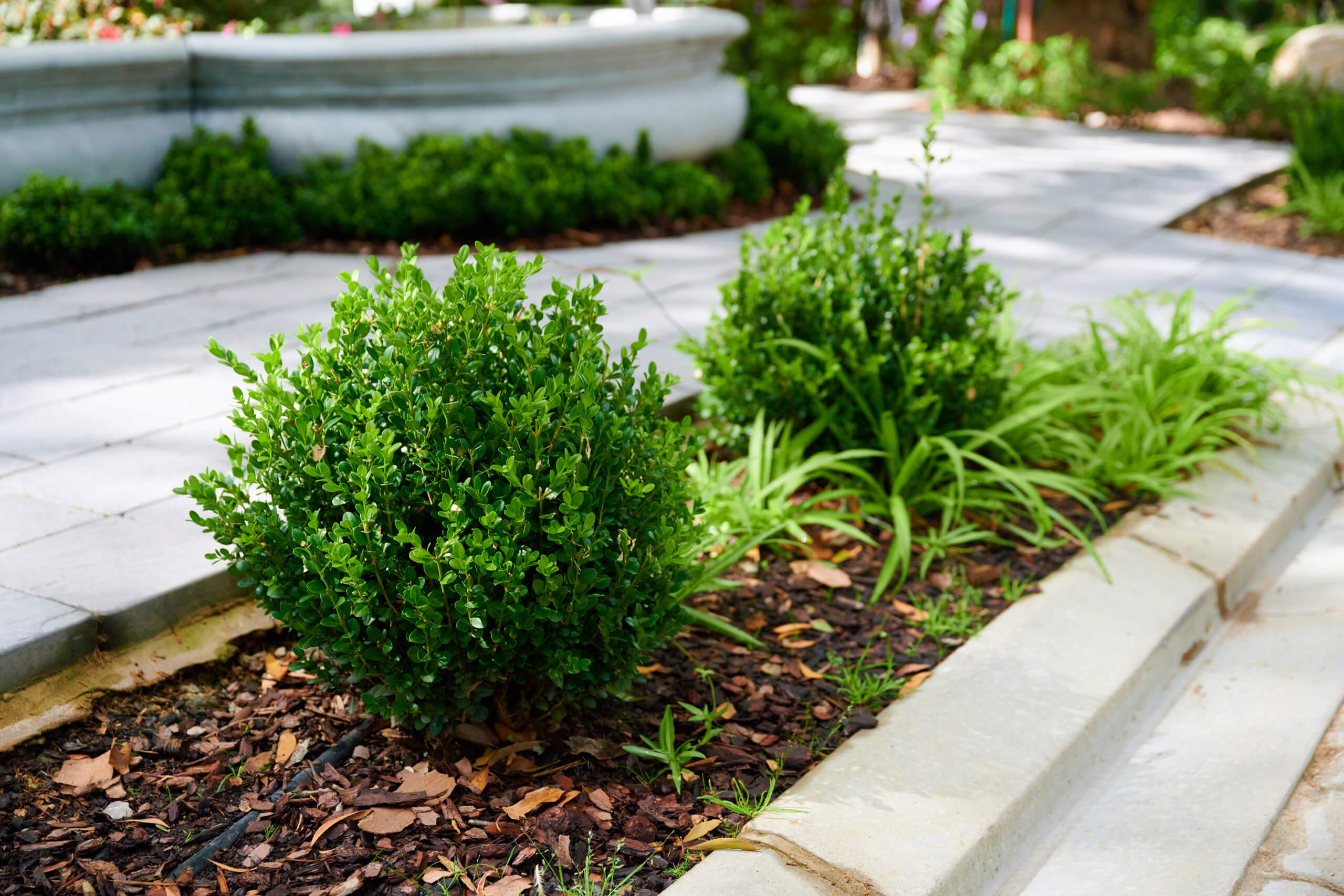
Best Rocks for Flower Beds
Round rock or river rock works well in flat, visible beds where appearance matters, giving flower beds and borders a smooth, decorative look. Pea gravel can work in smaller flat spaces where you want a finer texture.
For slopes, crushed rock or another angular stone is usually the better choice because it locks together and shifts less than round rock. Install solid edging at the bottom of the slope and avoid thin layers that can wash out after heavy rain.
A Practical Way to Decide
Use rock mulch where you want a long-lasting, tidy surface around established plants. Use organic mulch where you want to improve the soil or keep the bed easy to change.
For many yards, the best answer is both. Rock mulch can work well in permanent front beds, shrub borders, foundation areas, and xeriscape sections, while organic mulch may be better for annuals, vegetables, and garden beds that change from year to year.
Should You Use Rocks Instead of Mulch?
Rocks instead of mulch are a strong choice when you want a lower-maintenance, longer-lasting finish for permanent beds, shrub borders, and front-yard landscaping. Use organic mulch where soil improvement and frequent planting changes matter most, but choose rock mulch where curb appeal, durability, wind resistance, and reduced yearly upkeep are the priority. For homeowners in Regina and the surrounding area, Serbu can supply gravel for landscape beds that need a cleaner, longer-lasting finish.