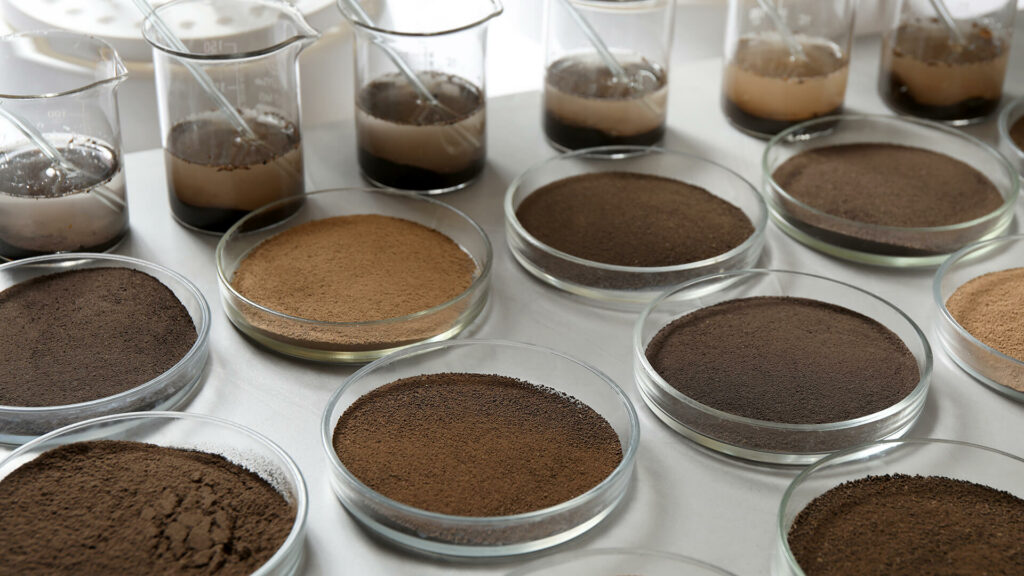
Choosing between a reclaimed asphalt driveway and a gravel driveway isn’t just about cost. The right material depends on how you use the driveway, your local conditions, and how much maintenance you’re willing to do. While both materials are popular for acreages and rural properties, they behave very differently once they’re exposed to traffic, weather, and Saskatchewan’s freeze-thaw cycles.
This guide compares reclaimed asphalt and gravel in the areas that matter most, including dust, mud, potholes, drainage, snow removal, maintenance, and long-term value.
What Is a Reclaimed Asphalt Driveway?
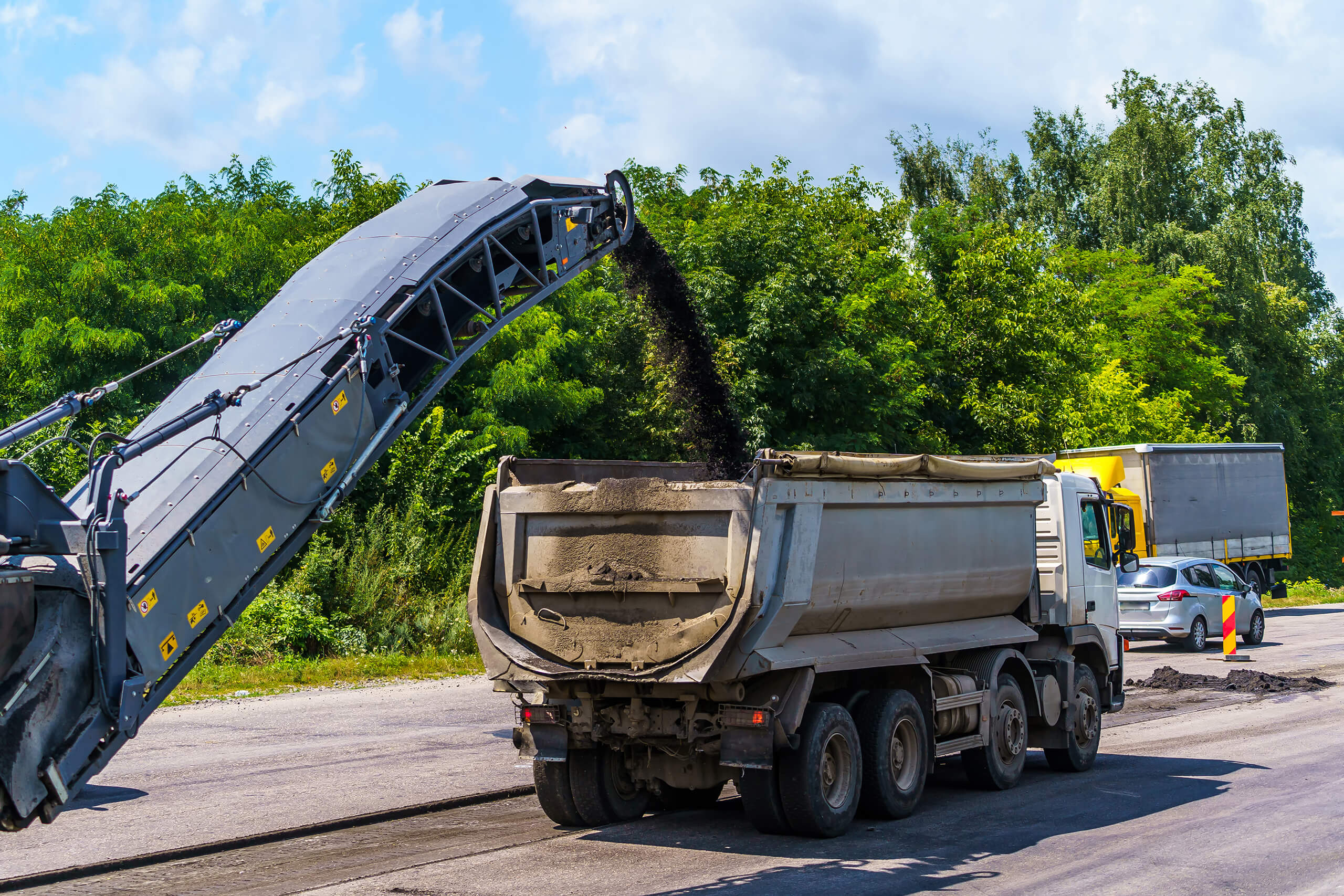
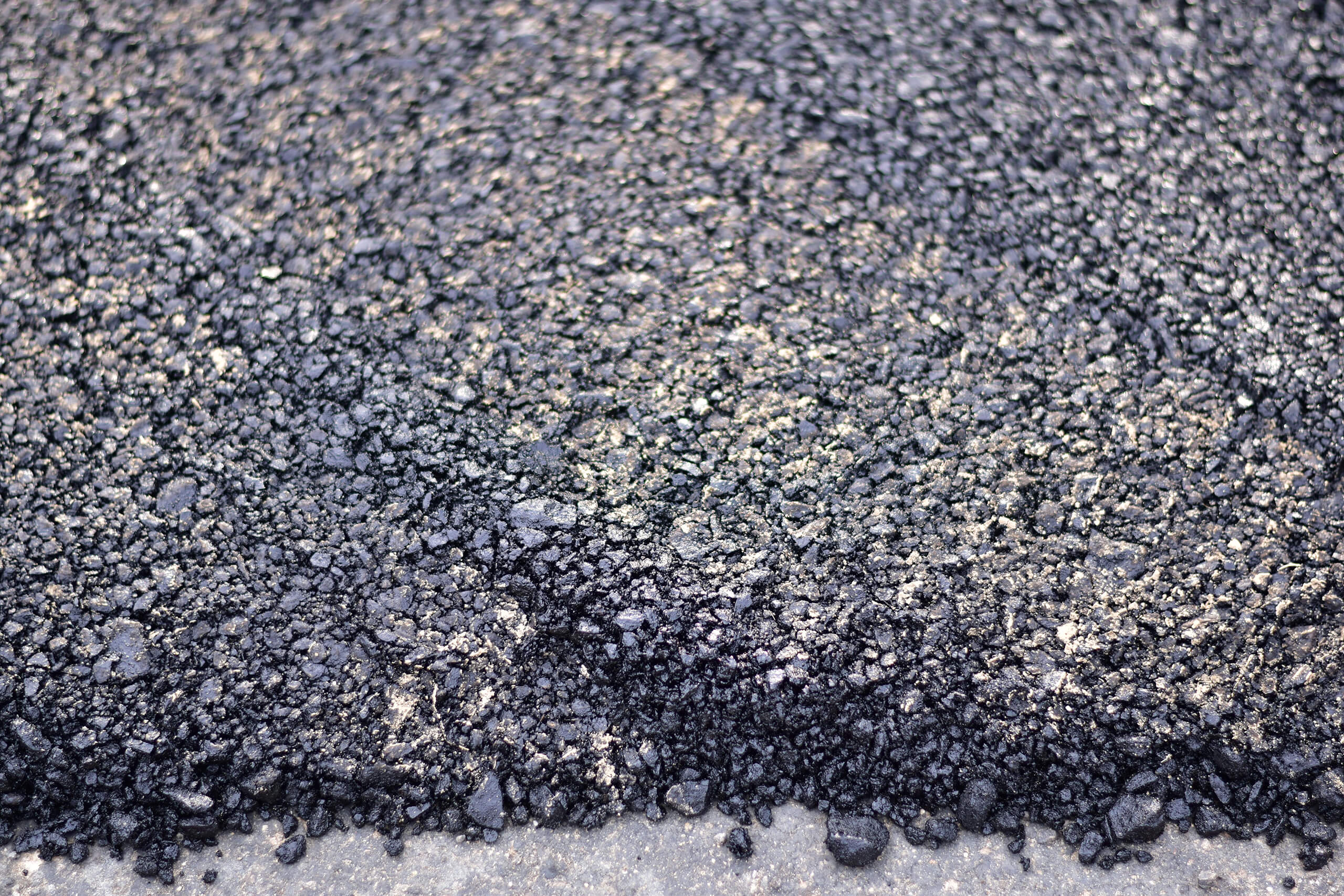
Reclaimed asphalt, also called recycled asphalt or asphalt millings, is produced by milling old asphalt pavement during road reconstruction. The material contains crushed aggregate coated with aged asphalt binder.
When compacted, reclaimed asphalt tends to lock together more tightly than loose gravel, creating a firmer driving surface while still allowing some flexibility.
How Does Gravel Compare?
A gravel driveway is usually built using crushed aggregate such as traffic gravel over a properly prepared base. Gravel remains one of the most economical driveway materials because it is easy to install, easy to repair, and readily available.
Gravel compacts by mechanical interlock, while reclaimed asphalt combines interlocking aggregate with residual asphalt binder to create a tighter surface.
Dust
One of the biggest advantages of a reclaimed asphalt driveway is reduced dust.
Because the particles contain asphalt binder, there is less loose material available to become airborne during dry weather. Gravel driveways generally produce more dust, especially during hot, windy Saskatchewan summers or on roads with frequent traffic.
Winner: Reclaimed asphalt
Mud and Wet Weather
Both materials perform best over a properly prepared base.
A reclaimed asphalt driveway typically sheds water better than loose gravel because the compacted surface is tighter. Gravel can work equally well, but only if enough crown and drainage are maintained. Without proper grading, either surface can develop muddy sections.
Winner: Slight advantage to reclaimed asphalt
Potholes and Washboarding
Loose gravel naturally moves under traffic. Over time, this can create potholes, ruts, and washboarding, particularly on long rural driveways.
A reclaimed asphalt driveway generally resists these problems better because the material interlocks after compaction. However, heavy turning movements and poor drainage can still cause damage.
Winner: Reclaimed asphalt
Snow Removal
Snow clearing is possible with either material.
Freshly placed reclaimed asphalt should be compacted before aggressive plowing begins. Loose gravel driveways are more likely to lose surface material during the first few snowfalls if the blade is set too low.
Neither surface performs like paved asphalt, but both can be maintained successfully with proper equipment.
Slight advantage: Reclaimed asphalt
Drainage
Drainage depends more on driveway construction than on surface material.
A properly crowned driveway with suitable ditching will outperform a poorly built driveway regardless of whether it uses gravel or reclaimed asphalt.
If water remains on the driveway after rainfall, the problem is often grading rather than material selection.
Maintenance
Every rural driveway requires maintenance.
Gravel typically needs periodic grading and occasional top-up material as traffic gradually moves aggregate away from the driving lanes.
A reclaimed asphalt driveway generally requires less frequent maintenance because the surface stays more stable, although additional material may still be needed over time.
Winner: Reclaimed asphalt

Cost
Gravel usually has the lower upfront cost.
Reclaimed asphalt often costs more per tonne but may reduce maintenance requirements over the life of the driveway.
Actual project costs depend on haul distance, driveway length, existing base conditions, and material availability.
When Gravel Is the Better Choice
Gravel may be the better option when:
- You want the lowest initial cost.
- You expect to reshape or widen the driveway later.
- The driveway receives relatively light traffic.
- You already have equipment for grading and maintenance.
When Reclaimed Asphalt Is the Better Choice
A reclaimed asphalt driveway is often worth considering when:
- Dust reduction is important.
- You have a long rural driveway.
- You want fewer potholes and washboards.
- You prefer lower maintenance over time.
- You want a firmer driving surface without paving.
When Neither Is the Right Choice
Neither reclaimed asphalt nor gravel can solve poor drainage or an unstable foundation.
If the driveway has soft subgrade, standing water, or significant settlement, improving the base with road-building materials or correcting drainage should come before adding a new surface.
Summary
For many rural properties, a reclaimed asphalt driveway offers a smoother surface, less dust, and lower maintenance than gravel. Gravel remains an excellent choice when affordability and flexibility are the priorities. Serbu can supply reclaimed asphalt, traffic gravel, and other road-building materials to help you build a durable driveway that matches your budget and maintenance expectations.