When comparing compost vs manure, the better material is the one that matches the job. Compost helps improve existing soil over time, aged manure adds organic matter and plant nutrients, and a topsoil-manure mix adds usable soil volume as well as fertility. For a new bed, a low planting area or a project that needs bulk material, the blend may be more practical than compost alone.
Compost vs Manure, The Differences
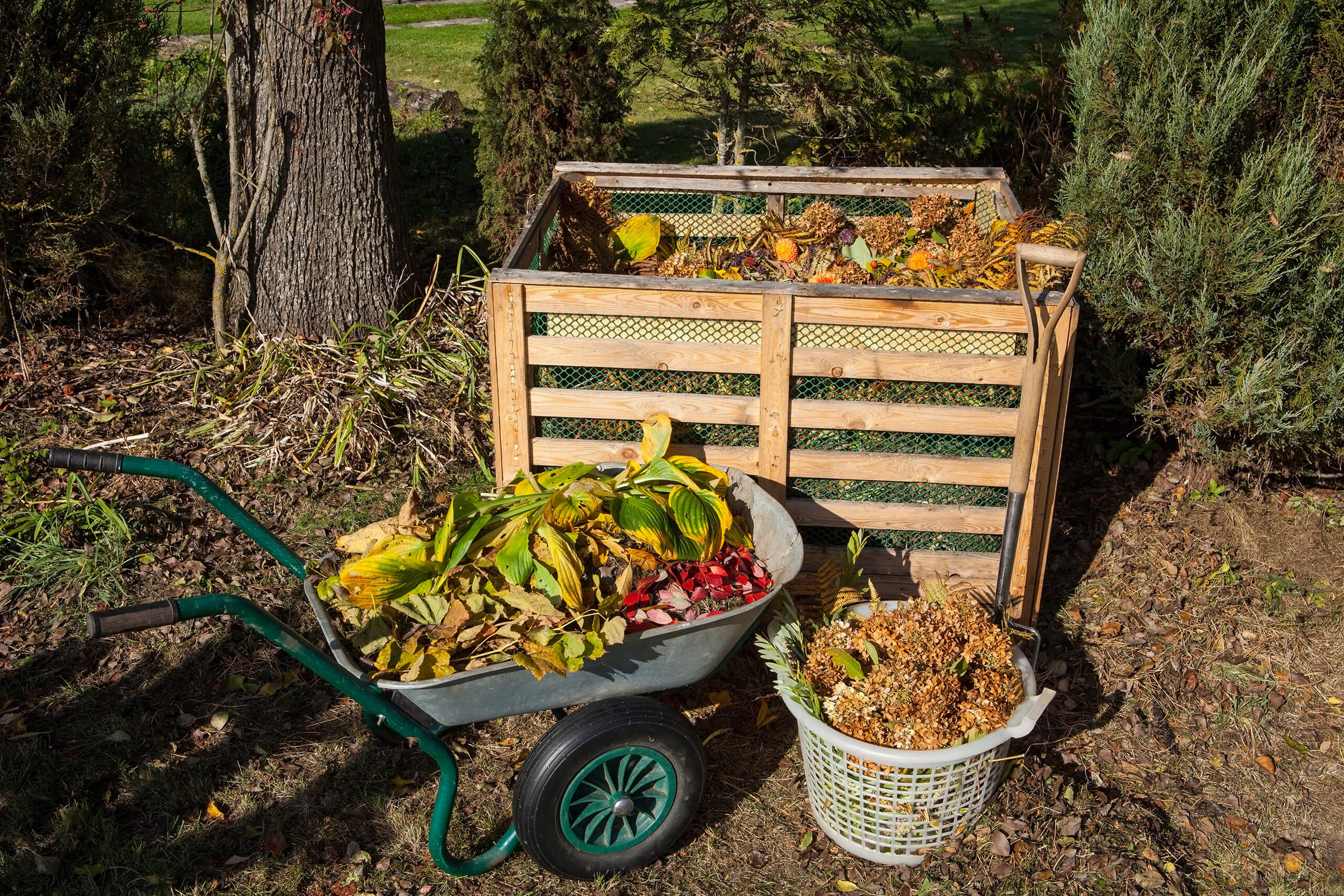
Compost is made by allowing plant scraps, leaves, yard waste and sometimes animal manure to decompose under managed conditions. The finished material is dark, crumbly and relatively stable. It is commonly used to increase organic matter, improve soil structure and support moisture retention over time.
Manure is animal waste used as a soil amendment and fertilizer. It contains organic matter as well as plant nutrients, but its strength and composition vary by source and treatment. Aged manure has been stored long enough to break down to some degree, but “aged” does not necessarily mean it has gone through a controlled composting process.
That distinction matters. Finished compost is mainly a soil builder with a relatively slow nutrient release. Manure is better treated as a nutrient source that also contributes organic matter. The USDA Natural Resources Conservation Service notes that manure breaks down relatively quickly to supply nutrients, while compost generally improves soil structure more effectively.
When Compost Is the Better Choice
Choose compost when your main goal is to improve an existing garden’s texture, organic matter and water-holding capacity. It can help loosen dense soil and give sandy soil more ability to retain moisture and nutrients. It is also useful as a light annual amendment around established plants.
Compost is not automatically a complete fertilizer. Its nutrient content depends on the ingredients and how it was produced, and some plants may still require additional nutrients. It is best viewed as a long-term soil conditioner rather than a guaranteed answer to every fertility problem.
When Aged Manure Is the Better Choice
Aged manure is useful when soil needs both organic matter and added fertility. Manure can supply nitrogen, phosphorus, potassium and micronutrients that support plant growth. It may suit flower beds, landscape plantings and other areas where you want to enrich existing soil.
More is not always better. Repeated or heavy manure applications can raise phosphorus, potassium or salt levels. A soil test can show whether your garden needs those nutrients before you add more. When applying manure, mix it into the soil rather than leaving a concentrated layer around plant roots. The University of Minnesota recommends testing soil regularly when manure or compost is used repeatedly.
Food gardens require extra care. Health Canada identifies improperly composted manure as a possible source of contamination for fresh produce. If a manure product has only been aged and has not been verified as fully composted or treated, apply it well before harvest and avoid direct contact with edible portions of the crop.
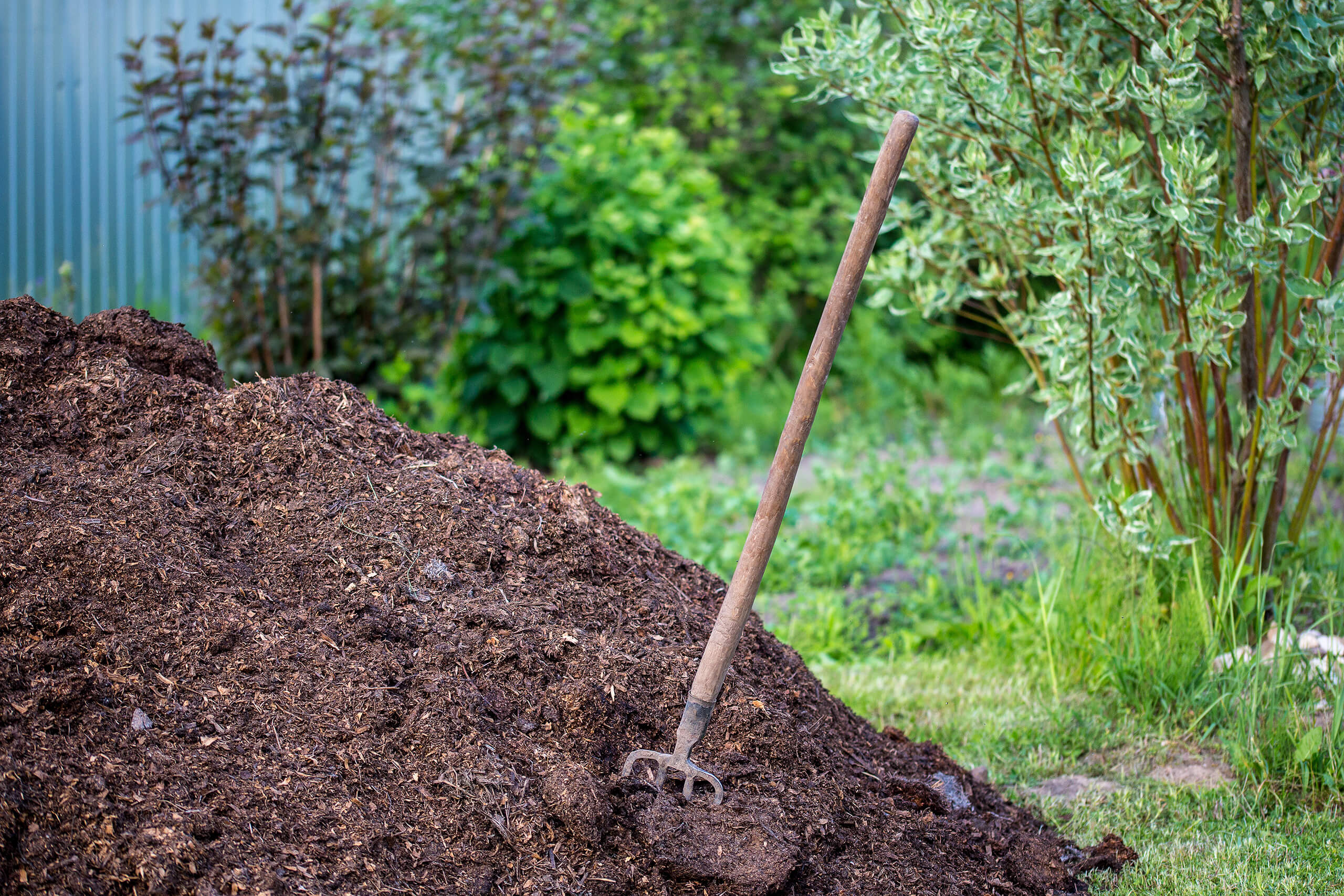
When to Use a Topsoil-Manure Mix
A topsoil-manure mix makes sense when the project needs more soil volume, not just an amendment. It is a practical option for creating new garden beds, topping up shallow beds, establishing planting areas or replacing soil removed during landscaping.
Serbu Sand & Gravel offers a topsoil mix containing one-third aged manure. It combines screened topsoil with manure so homeowners can place one blended material instead of buying and mixing the two separately. The blend contains more available nitrogen, phosphorus and potassium than just topsoil.
Because the blend is nutrient-rich, it should not be treated as an unlimited annual topdressing. Use it where additional soil and fertility are both required. For projects that need soil volume without as much added fertility, topsoil may be the more suitable starting point.
Compost vs Manure for Common Garden Projects
For improving established soil over several seasons, compost is usually the stronger choice. For adding fertility to soil that tests low in nutrients, aged cow manure may be more useful. For building or filling a garden bed, a topsoil-manure mix provides the soil volume that compost or manure alone cannot.
The materials can also complement one another over time. A new bed might begin with a topsoil-manure blend, while later maintenance could rely on modest additions chosen according to soil-test results. The goal is not to add the richest material every year. It is to give the plants what they need without allowing nutrients or salts to accumulate.
Choose the Material That Matches the Job
The compost vs manure decision comes down to the condition of your soil and the result you need. Compost is a reliable long-term soil builder, aged manure offers organic matter with more fertility, and a topsoil-manure blend is especially useful when you need to create or replenish a planting area. If your garden requires bulk soil, contact Serbu Sand & Gravel to discuss aged manure, screened topsoil or a topsoil-manure mix and arrange the right quantity for your project.